Culture Before Capital: Why Strong Values Build Better Startups
Capital matters. There's no point pretending otherwise. Money can give a company time, momentum, and the ability to hire, build, and grow. But money alone can't create direction, trust, or a team that stays resilient when challenges arise. That's where culture comes in.
In a startup, culture becomes even more apparent because every individual has a significant impact on the whole organization. How you make decisions, how you communicate with one another, how you handle setbacks, and what you choose to prioritize when everything feels equally important. That's not just "soft stuff." It's real company building.
Research from McKinsey shows that organizational health is a strong indicator of long-term value creation, and that companies with healthier organizations tend to outperform their peers over time. In a study of 1,500 companies across 100 countries, McKinsey found that businesses that improved their organizational health increased their EBITDA by 18% within one year.
Culture Is What You Do When No One Is Watching
Many people think of company culture as something you write down in a document—a handful of core values, a polished presentation, or perhaps a workshop filled with sticky notes. That's a good starting point, but culture only becomes real when it's reflected in everyday actions.
If you say you value openness, but employees rarely feel comfortable sharing different perspectives or suggesting new ideas, then your day-to-day behavior is sending a different message. If you claim that people come first, yet everyone is expected to be available around the clock, it's difficult to live up to those values. Recognizing the gap between words and actions can be uncomfortable, but it's also where meaningful progress begins.
Gallup's extensive meta-analysis of employee engagement shows that engaged employees are consistently associated with stronger business outcomes, including higher productivity, increased profitability, greater customer loyalty, lower employee turnover, and improved well-being. These findings are based on hundreds of studies across a wide range of organizations. The message for businesses is clear: a strong company culture isn't just about creating a pleasant workplace—it's a fundamental driver of long-term success.
Values Help You Make Better Decisions
In a startup, time is rarely on your side. You're often making decisions without perfect information, unlimited resources, or anyone telling you exactly what the right answer is. That's why every company needs a compass.
Values serve exactly that purpose. They help you decide which customers you want to work with, which investors you want to bring on board, how you build your team, and which compromises you're simply not willing to make.
This becomes especially important when choosing investors. Not all capital is equal. An investor brings more than funding—they also bring expectations, perspectives, and a particular approach to building a business. If your values aren't aligned, the cost can be significant—not only financially, but also in terms of your company's long-term development.

Talent Is Looking for More Than a Salary
Building a great company means attracting people who genuinely want to help build it. And people don't choose a workplace based on salary alone. They also look for a sense of purpose, strong leadership, opportunities to grow, and the feeling that they're contributing to something meaningful.
A clear purpose, strong values, and an inclusive company culture can help attract the right talent while creating better conditions for innovation. For startups, this is especially important. You may not be able to compete with the compensation packages offered by large corporations in the early stages, but you can offer something different: fast decision-making, real influence, a clear sense of direction, and the opportunity to be part of building something from the ground up.
Company culture is also shaped by the environment you work in. If you're looking for office space in Gothenburg, it's easy to focus on factors like cost, location, and square footage. Those are all important—but your workplace also influences how people connect, collaborate, and grow.
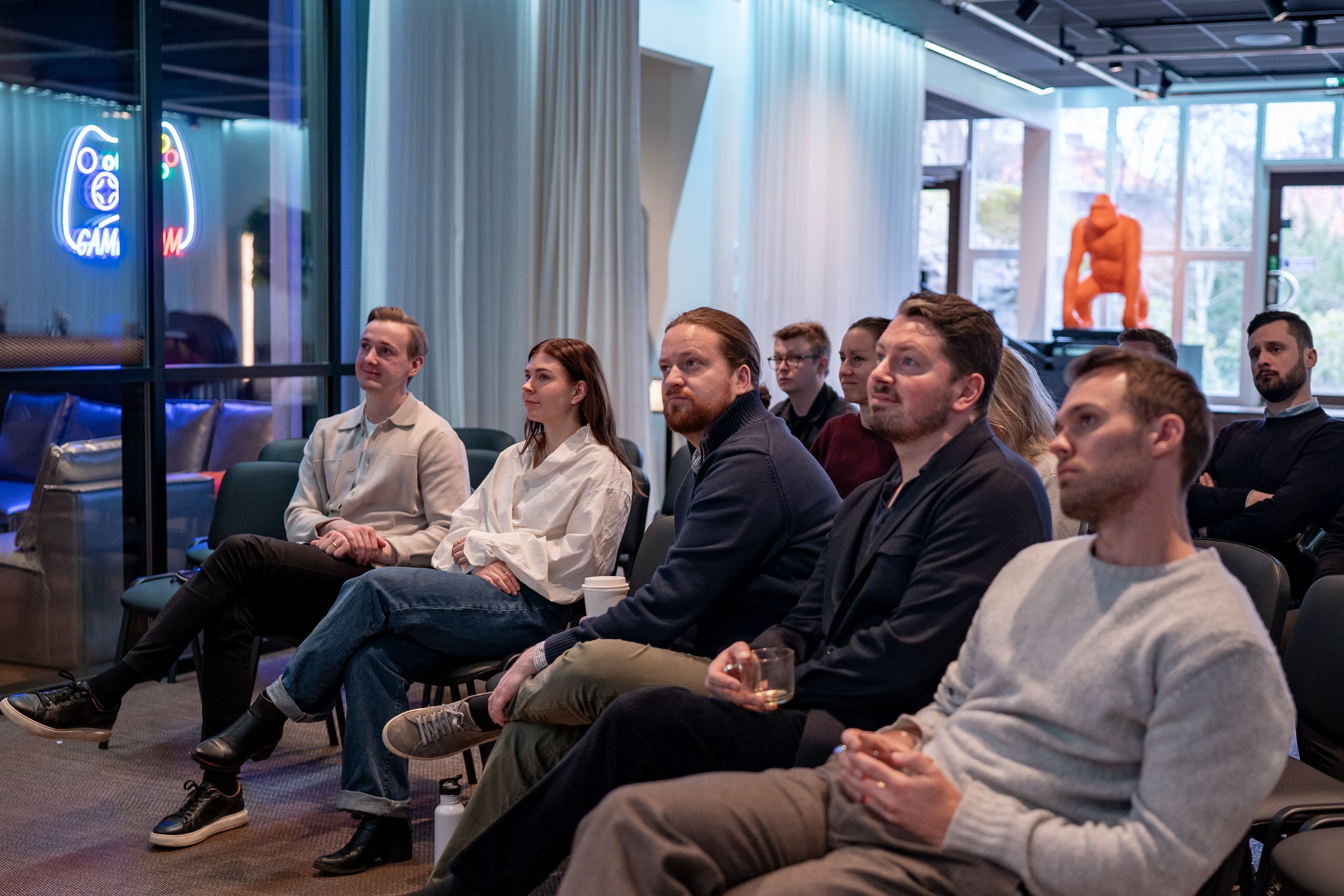
One example is Yuncture House, a hub designed specifically for entrepreneurs and startups in Gothenburg. It offers creative workspaces, private offices, meeting rooms, a studio, event spaces, and an environment that encourages spontaneous interactions and knowledge sharing. It's about more than practical facilities—it's about creating energy, new perspectives, and the feeling that you're not building your company alone.
Capital Can Scale Culture—But It Can't Replace It
As a company raises capital, culture becomes even more important. The team may need to grow quickly, new roles must be filled, and decisions that were once made informally often need to become more structured. If your values aren't already embedded in the business, creating alignment becomes much harder as the organization expands.
Capital can amplify what's already there. If you have a strong company culture, investment can give you the resources to scale successfully. But if your culture is unclear, growth is likely to magnify the challenges that already exist. More employees, a faster pace, and greater expectations rarely make a lack of clarity easier to manage.
That's why it's wise to invest in your company culture early—not when you've grown to 50 employees or when problems have already surfaced, but while you still have the opportunity to shape your ways of working, behaviors, and expectations in a natural and intentional way.
How to Build a Strong Culture Without Overcomplicating It
Building a company culture doesn't have to start with a lengthy process. More often, it begins with a few simple questions: What do we want to stand for? How do we want to work together? Which behaviors do we want to encourage? And which behaviors are we not willing to accept—even if they might deliver short-term results?
The most important thing is turning your values into everyday actions. If one of your core values is courage, what does that actually look like? Does it mean testing ideas early, speaking up when something feels wrong, or reaching out to customers before everything is perfect? If one of your values is care, does that mean planning sustainably, giving honest feedback, and genuinely listening when someone says the pace has become too demanding?
That's where company culture becomes real—not in the words themselves, but in the actions that are repeated every single day.
Yuncture and Values-Driven Company Building
At Yuncture, we believe great companies are built by people who are given the right conditions to succeed. That's why we've brought entrepreneurs, mentors, investors, workspaces, and a strong network together in one integrated ecosystem. We offer a startup incubator in Gothenburg for early-stage companies, Yuncture House for entrepreneurs who want to work in an inspiring environment, and Yuncture Invest, which invests in startups with strong growth potential.
To us, these elements are all connected. Company culture, capital, the work environment, and community are not separate parts of building a business—they reinforce one another. When people have the right support, the right environment, and the right opportunities, they're better equipped to build companies that grow, evolve, and succeed over the long term.
Build the Company You'd Want to Work For
Before you focus on your next funding round, your next hire, or your next major product launch, take a moment to ask yourself what kind of company you actually want to build. Not just what you want it to sell—but what it should feel like to be part of it.
If you're looking to build your startup in an environment where entrepreneurs inspire one another, ideas are encouraged to grow, and meaningful connections happen naturally, learn more about Yuncture House or get in touch with us to arrange a visit and see how we work.
Or, if you're looking for an investor who brings more than capital—offering experience, guidance, and a long-term perspective—learn more about Yuncture Invest, or reach out to our Investment Manager, Anton, for an informal conversation.