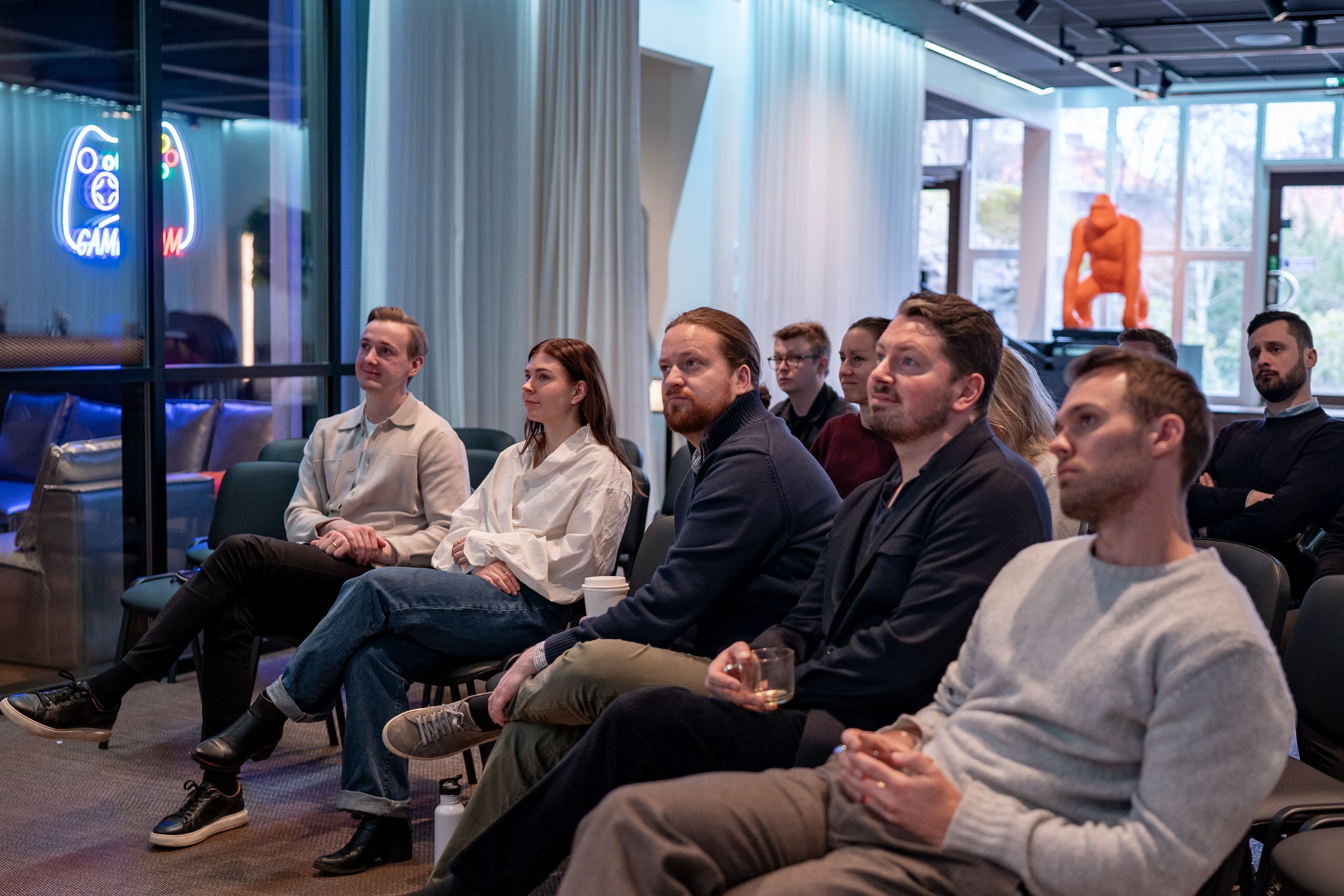
Attracting and Retaining Talent in a Growing Startup
Building a company is, of course, largely about having a great idea, a strong business model, and plenty of customers. But before long, most founders realize that something else is just as critical: the people behind the company. You can have a brilliant product or service and a polished pitch deck, but without the right people around you, the journey becomes much harder.
The challenging, and fascinating, thing about people is that they rarely choose a job for just one reason. Salary matters, of course. But research consistently shows that other factors are just as important: leadership, opportunities for growth, workplace culture, flexibility, and the feeling of being part of something meaningful.
For example, research from McKinsey has shown that many employees leave their jobs due to a lack of career development opportunities and uninspiring or disengaged leadership. At the same time, flexibility is one of the strongest factors influencing both a candidate’s decision to join an organization and an employee’s decision to stay.
Talent Chooses More Than a Job — It Chooses a Community
This may be the most important insight of all. When talented individuals decide to join a startup, they are rarely choosing a job description alone. They are choosing a community, a team, and a way of working.
That means that, as a founder or leader, you need to think beyond recruitment. You are not just building an organization—you are creating a place where people genuinely want to be.
The OECD highlights working conditions, employee well-being, training, and skills development as key factors in retaining talent over the long term. That may sound obvious, but it is also easy to overlook when the pace is high and the focus is on the next product launch, the next customer, or the next funding round.
There is a certain irony in that. Many companies invest enormous amounts of time and energy in attracting talent, yet devote far less attention to creating an environment that makes people want to stay.
Culture Is Not Fluff — It’s Strategy
It is almost impossible to talk about talent without talking about culture. And no, culture is not just about Friday breakfasts and branded hoodies. Culture is how you make decisions, how you communicate under pressure, how you give feedback, and how people feel when they leave work at the end of the day.
Employee engagement is closely linked to how people experience their work, their team, and their opportunities for growth. In a startup, this becomes even more apparent because every individual has a significant impact on the bigger picture. A strong culture can make small teams incredibly agile and effective.
That is why it is wise to think early about the behaviours you want to encourage, how you collaborate, and what you truly stand for when things get stressful. Because we all know they will get stressful (and sweaty) from time to time. It is almost part of the charm.
Almost.
Growth Opportunities Matter More Than Many People Think
Many startups assume they cannot compete with larger companies when it comes to benefits, job security, or salary. And sometimes that is true. But that does not mean the battle for talent is lost—quite the opposite.
Smaller companies often have something different to offer: greater responsibility, closer proximity to decision-making, and faster personal and professional growth. McKinsey describes investment in people’s development as a powerful way to attract, advance, and retain talent.
For a growing startup, this represents a significant opportunity. If you can demonstrate that people will have the chance to grow, learn new skills, and make a meaningful impact on the direction of the company, you become far more attractive as an employer than you might think.
Flexibility and Trust Carry Significant Weight
It is also impossible to ignore flexibility, which has become a key factor in how people evaluate employers today. For some, flexibility means hybrid working. For others, it is about trust, autonomy, and the ability to make life work without letting work take over completely.
That does not mean every startup needs to operate in exactly the same way. But it does mean you need to be clear about why you work the way you do. If you want your team to spend time together in the office, the physical workplace should genuinely offer something valuable in return—community, energy, creativity, learning, or stronger collaboration.
Otherwise, the office risks becoming little more than a place where people sit wearing headphones, quietly wishing they were back home. And that is probably not the kind of atmosphere anyone gets excited about.
The Physical Environment Matters More Than You Think
This brings us to something that many companies underestimate: the place where work actually happens. Yuncture House is a creative and welcoming environment for startups and innovative entrepreneurs in central Gothenburg, offering approximately 1,000 square metres of workspace and a concept that evolves alongside the needs of its members.
That is not a minor detail. For the right person, the work environment can be the deciding factor in whether a company feels inspiring and energising—or simply draining.
So, when considering office space in Gothenburg, it is worth looking beyond square footage and coffee machines. How does the space feel? Does it meet people where they are? Are there areas designed for focused work, but also spaces for collaboration, creativity, and recovery?
For many growing teams, it is precisely this combination of a professional environment and human connection that makes all the difference.
How Yuncture Can Help You Grow
Yuncture offers both an incubator programme and Yuncture House for entrepreneurs and startups in Gothenburg. Want to learn more? Get in touch with us—we would love to hear about your journey and explore how we can support your growth.
Build a Company People Want to Help Build
There is no magic formula for attracting and retaining talent. But there is a fairly clear direction.
Create a culture built on trust. Lead with clarity. Give people opportunities to grow. Be intentional about the environment in which you operate. And remember: people do not just choose jobs—they choose purpose, development, and energy.
The companies that understand this are often the ones that succeed not only in attracting great talent, but also in keeping it for the long term.